Retrovert: A Bold Retro Font for Crafters
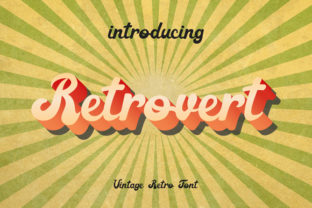
As a maker who spends hours perfecting the cut settings on my Cricut and tweaking kerning in design software, I know that the right typeface can make or break a product. We are not just selling paper goods or vinyl decals; we are selling an aesthetic, a feeling, and a moment in time. This is why Retrovert has quickly become a staple in my digital toolkit. It is more than just a collection of letters; it is a stunning and powerful retro font with a bold twist that captures the vintage charm so many of our customers crave.
When you browse through categories like Script Amp or look for premium Fonts, you often find options that are either too delicate for practical use or too rigid to feel handmade. Retrovert strikes that elusive balance. It possesses the warmth of a handwritten font but carries the structural integrity needed for professional packaging design and brand identity. For those of us running small shops, whether on Etsy or at local craft fairs, having a versatile display font that reads well from a distance and up close is invaluable.
Bringing Vintage Charm to Physical Products
The primary appeal of Retrovert lies in its ability to transform ordinary items into boutique-quality treasures. Consider the humble candle label. A generic sans serif font might get the job done, but it rarely tells a story. When I apply Retrovert to a kraft paper label for a soy wax candle, the bold strokes and retro flair immediately elevate the perceived value. It suggests nostalgia, comfort, and artisanal care. This emotional appeal is crucial for customer recognition and building a loyal following.
This versatility extends far beyond candles. I have used this creative font for wedding welcome boards, where the large scale allows the unique character shapes to shine. The "bold twist" mentioned in its description refers to the way certain terminals and curves exaggerate slightly, giving the text a dynamic energy without sacrificing readability. This makes it ideal for signage, tote bags, and even mug designs where the text needs to be legible from across a room. For printable creators, using Retrovert in wall art designs adds a mid-century modern vibe that pairs beautifully with minimalist botanical illustrations or geometric shapes.
Practical Readability and Production Tips
One concern many crafters have when choosing a script font or a decorative typeface is how it performs during production. Will it weed easily? Will it print clearly on small stickers? Retrovert is designed with these practicalities in mind. Because it is a powerful retro font rather than a fragile, thin-line script, it holds up exceptionally well when cut from vinyl or heat transfer material. The strokes are substantial enough to prevent tearing during the weeding process, which saves time and reduces waste.
For those creating small product labels or stickers, readability is key. While Retrovert is excellent for short phrases, names, and titles, it is best used as a display font. I recommend avoiding long paragraphs of body text with this typeface. Instead, use it for headers, product names, or impactful quotes. If you need to include ingredients lists or detailed instructions, pair Retrovert with a clean sans serif font. This contrast ensures that the decorative element grabs attention while the informational text remains easy to read. This approach to font pairing is a cornerstone of effective modern typography and helps maintain a clean, professional look in your design assets.
Elevating Brand Identity and Consistency
Consistency is the backbone of any successful handmade business. Using the same primary font across your packaging, social media graphics, and website helps build a cohesive brand identity. Retrovert serves as an excellent anchor for this visual language. Its vintage charm is distinct enough to be recognizable but neutral enough to adapt to various color palettes and themes. Whether you are designing holiday product packaging with deep greens and reds or summer-themed tags with bright yellows and blues, the font adapts seamlessly.
For logo design, Retrovert offers a strong foundation. It conveys reliability and style, which are attractive qualities for potential clients. If you offer custom design services or create templates for other sellers, including Retrovert in your library allows you to offer designs that feel both trendy and timeless. It bridges the gap between classic serif font elegance and the casual approachability of a handwritten font.
Maximizing the Font’s Features
To get the most out of Retrovert, take time to explore its included styles and features. Many premium fonts come with alternates, ligatures, and swashes that can add a personalized touch to your projects. For instance, swapping out a standard letter for a swashed alternate can turn a simple name on a birthday invitation into a piece of art. Check the file formats provided; having access to OTF and TTF files ensures compatibility with most design software, from Adobe Illustrator to free online editors.
Additionally, consider multilingual support if you plan to sell internationally or create designs for diverse audiences. A robust font family will include accented characters and special symbols, allowing for greater creative freedom. Always review the specific details of Retrovert to see if these features are included, as they can significantly expand the range of projects you can tackle without needing to purchase additional typefaces.
Licensing and Commercial Use
Before integrating any new typeface into your workflow, it is essential to understand the licensing terms. As commercial craft sellers, we must ensure that our use of fonts complies with the creator’s guidelines. Retrovert is typically licensed for commercial use, which means you can use it to create physical products like shirts, mugs, and signs for sale. However, always double-check if the license covers digital downloads, such as editable templates or SVG files sold on platforms like Creative Market or Etsy. Some licenses require an extended commercial license for these specific uses. Respecting intellectual property rights protects your business and supports the designers who create these vital design assets.
In conclusion, Retrovert is more than just a font; it is a tool for storytelling. It allows crafters to infuse their work with personality, history, and style. By understanding its strengths in readability, pairing potential, and production durability, you can create products that not only look beautiful but also resonate deeply with your customers. Whether you are designing a simple sticker or a complex wedding suite, let the bold twist of Retrovert guide your creativity.